CSS transitions vs JavaScript interactions
Want smoother animations in your Webflow projects but not sure whether to use CSS transitions or JavaScript interactions? In this video, we’ll break down the key differences between the two, when to use each, and how they can work together to create engaging user experiences.
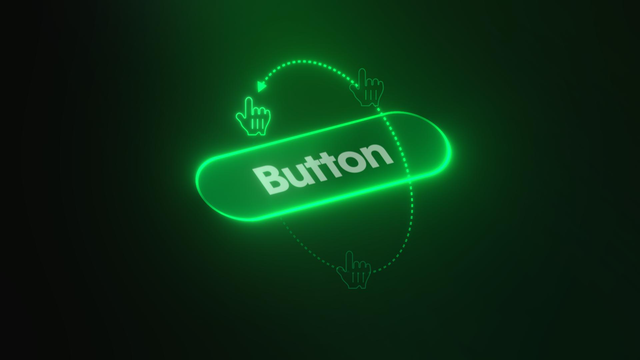
CSS Transitions → Perfect for simple state changes (like hover effects and smooth color changes).
JavaScript Interactions → Best for complex, user-triggered animations like scroll effects or multi-element movement.
Video transcript
Let's quickly talk about the differences between CSS transitions and JavaScript interactions. It'll help you understand when and why to use each one.
CSS transitions let you smoothly animate a change in a CSS property, like color or scale. They're triggered by state changes — hover, focus, active. They're simple to set up, hardware-accelerated, and great for UI feedback like hover effects on buttons.
JavaScript interactions in Webflow use the Web Animations API under the hood. They give you more power — you can chain animations, control timing precisely, react to scroll position, clicks, or page load, and animate multiple elements in sequence.
So when do you use which? CSS transitions for quick, state-based UI changes. JavaScript interactions for complex sequences, scroll-driven effects, or anything involving multiple elements.
The short version: transitions are fast and simple, interactions are powerful and flexible. We'll go deeper into both in the lessons ahead.